Rosetta Stone vs. Duolingo: The Ultimate Language Learning App Comparison

Contents
All of the platforms created for language learning have the same purpose – to help you reach your linguistic goals. However, despite many similarities, most of them have unique features and different approaches that distinguish them. Today, we'll talk about two well-known apps with completely different methods, Rosetta Stone vs Duolingo. Are they as good as they claim to be? Let's find out together!
Overview of Duolingo and Rosetta Stone
Although both platforms have been around for a while and have gained a significant reputation and thousands of learners, they still seem completely different. In all honesty, we can compare them to Millennials and Zoomers – an age gap might not be as big, but their approaches, priorities, and vibes are worlds apart. To help you see the differences between Duolingo vs Rosetta Stone, we'll start with brief overviews of each platform.
What is Duolingo?
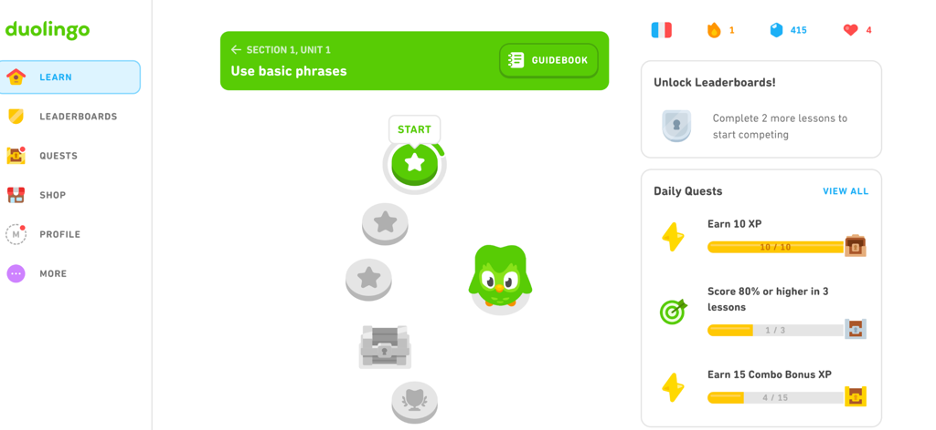
| Learning platform | Duolingo |
| Release date | 2012 |
| Languages | 42 |
| Price | Mostly free |
| Self-description | The free, fun, and effective way to learn a language |
This youngster is a free-to-use app designed to make language learning feel like a game. It is great for beginners and casual learners who just want to understand the basics and build vocabulary and basic conversational skills. The app offers short lessons and uses different tools, like streaks and rewards, to keep learners motivated.
What is Rosetta Stone?
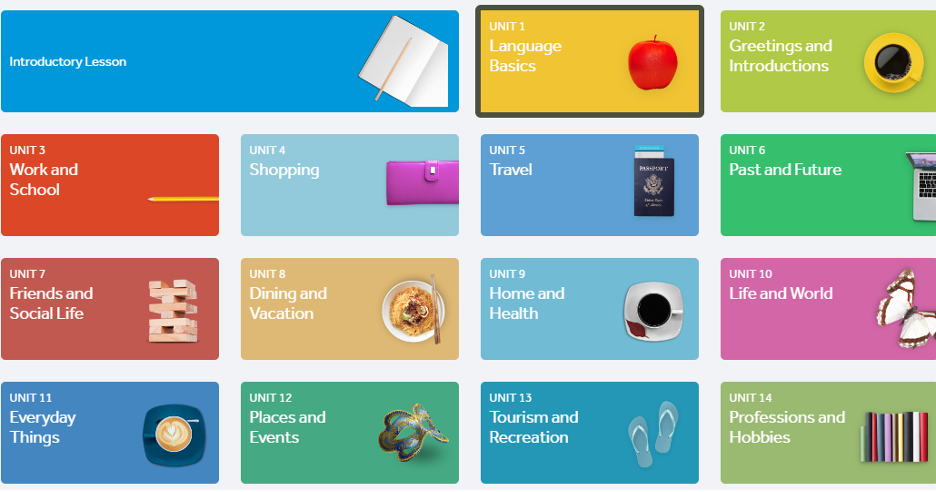
| Learning platform | Rosetta Stone |
| Release date | 1992 |
| Languages | 25 |
| Price | €15.95/month – €199/lifetime |
| Self-description | The experts in language learning |
With over three decades of experience, this platform can be considered a veteran in teaching languages. One of its most distinctive features is the unique immersion method. Instead of translating words, Rosetta Stone encourages users to think in their target language through visuals, repetition, and context.
Duolingo and Rosetta Stone Similarities
Is Rosetta Stone better than Duolingo or vice versa? It's hard to tell yet, as we haven't covered all the details. So, let's start by discussing what these platforms have in common.
- Multiple language options. Both platforms allow learners to master many different tongues. In addition to more popular options, like English, French, or Spanish, there are many more niche ones, like Farsi or Navajo.
- Structured lessons. While the materials might differ, both platforms divide lessons into manageable sections, allowing students to learn at a comfortable pace.
- Speech recognition. Both platforms analyse your spoken words and give pronunciation feedback — though this is one area where they differ in depth rather than simply sharing a feature. See the comparison below.
- Mobile-friendly. Designed for busy learners, both apps are available on smartphones, making it easy to learn on the go.
At first glance, Duolingo and Rosetta Stone have a lot of similar features. However, there are also a lot of differences.
Duolingo and Rosetta Stone Differences
As we've mentioned earlier, both platforms have visibly different approaches to teaching a language. You can see them in the table below.
| Feature | Duolingo | Rosetta Stone |
| Cost | Free (with optional paid features) | Premium subscription required |
| Lesson style | Gamified, casual | Immersive, methodical |
| Audience | Beginners and casual learners | Learners seeking a deeper immersion |
| Offline access | Limited (premium only) | Extensive offline access with a subscription |
| Grammar explanations | Basic | Limited but context-driven |
| Speech recognition | Present, but light — checks whether you said the right words | TruAccent, its own engine, compares your pronunciation against native speakers and is the more serious of the two |
| Best suited to | Building a daily habit and a first few hundred words | Learners who want to train listening and speaking without translation |
On prices and language counts: both change regularly. The figures in this article were accurate at the time of writing, but check each provider's own site before subscribing — Rosetta Stone in particular runs frequent discounts on its lifetime plan.
As you can see, despite both being language-learning platforms, they have different purposes, teaching methods, and target audiences.
1
Key Features Comparison
So, how can you tell which platform is better? At this point, it only depends on you. Choose according to your learning preferences and needs to get better results. Consider these key features:
Duolingo's Unique Features:
- Gamification. Earn points, maintain streaks, and climb leaderboards to stay motivated.
- Daily reminders. Notifications ensure you never miss a day of practice.
- Free access. While ads are present, the app's core features remain free.
Rosetta Stone's Unique Features:
- Immersive learning. Visual and auditory cues create a natural learning environment.
- Phrasebook for travelers. A handy tool for learning practical expressions quickly.
- Live tutoring. Personalized lessons with native speakers (for an additional cost).
Is Rosetta Stone better than Duolingo? For some, it might be. For example, if you're looking for more in-depth learning. At the same time, if your goal is to master some basic words and phrases while not spending much time, Duolingo might be a better match for you.
Learning Methodologies
We've already mentioned that both platforms have different approaches to teaching languages. But what does it mean?
Duolingo's Approach to Language Learning
Duolingo focuses on vocabulary and sentence structure through repetition and interactive activities. Is Duolingo better than Rosetta Stone? The app's bite-sized lessons are perfect for beginners or those wanting a low-commitment introduction to a new language. It's engaging, but some users may find the lack of depth a drawback for more advanced learning.
Rosetta Stone's Immersive Method
Rosetta Stone emphasizes context and immersion. By eliminating translations, the app encourages intuitive understanding of the language. This approach is great for deep learning but might feel overwhelming for those who prefer more guidance in the first stages.
Apps Pros and Cons
Both platforms have advantages and disadvantages. Understanding them is essential to making an informed decision and choosing the one that works best for you. Here are the advantages and disadvantages of Duolingo and Rosetta Stone for language learning.
Duolingo Pros:
- Free to use with optional upgrades.
- Fun, engaging interface.
- Suitable for beginners and casual learners.
- Quick lessons fit into any schedule.
Duolingo Cons:
- Ads can disrupt the experience.
- Limited depth for advanced learners.
- Focuses heavily on vocabulary over grammar.
Rosetta Stone Pros:
- Comprehensive, immersive methodology.
- No ads.
- Strong focus on listening and speaking skills.
- Offers offline learning options.
Rosetta Stone Cons:
- Expensive compared to Duolingo.
- Slower progression might not suit all learners.
- Lack of explicit grammar explanations.
Where Promova Fits Between Them
A note on who wrote this. This comparison is published by Promova, which also makes a language learning app. We have tried to describe Duolingo and Rosetta Stone as their own users would, including the things they do better than we do — Duolingo's free tier is more generous than ours, and Rosetta Stone's immersion method is more rigorous than anything we offer. Read this section knowing where it comes from.
That said, the two apps sit at opposite ends of a spectrum, and a lot of learners want something in the middle. Promova is built for that gap:
- Balanced lessons. Enjoy gamified learning alongside immersive, context-driven exercises to master essential language skills.
- Tailored learning plans. Learn what you need! Our online courses align perfectly with your current level and studying goals to provide you with the best experience and suitable materials.
- Cultural insights. Any language is more than just grammar and words – it is also a unique culture behind it. At Promova, we understand how essential it is to recognize and learn more about it alongside linguistic rules.
- English 1×1 and group lessons with tutors. If you want an even more personalized experience, you can join Promova's live lessons. Our certified tutors are always ready to help you and provide a tailored curriculum according to your current level, studying goals, and learning preferences.
Promova is your one-stop solution in terms of language learning. Whether you want to master English, German, Korean, ASL, or other languages, you can! Install the app on your iOS or Android device, access the courses via laptop, and switch anytime you need without losing your progress.
Conclusion: Which is Better, Duolingo or Rosetta Stone
There is no single winner here, and any comparison that declares one is selling something. The choice comes down to two questions. What is your budget — Duolingo is free and Rosetta Stone is not? And how do you want to learn — through short gamified drills that keep you coming back, or through immersion with no translation, which is slower and more demanding but trains your ear harder? Answer those two and the decision makes itself.
FAQ
Is Rosetta Stone better than Duolingo?
Neither is better in absolute terms. Duolingo is free and gamified, which makes it stronger for building a daily habit and your first few hundred words. Rosetta Stone is paid and teaches through total immersion without translation, with a more capable speech recognition engine, which makes it stronger for training listening and pronunciation. The right answer depends on your budget and on whether short gamified drills or slower immersive practice suits how you learn.
Is it possible to become fluent in a language using an app?
Language learning applications are great for building a solid foundation, building vocabulary, and practicing grammar rules. However, fluency might need more than that. Being fluent in a language means mastering all essential skills, including speaking, reading, listening, and writing. You can do so by using different learning methods, practicing consistently, and combining apps with other solutions, like online courses or lessons with tutors.
How do I choose the best language learning app for me?
Make this experience completely about you. Consider your preferences, short- and long-term goals, budget, and learning style. Compare different platforms by trying their free versions to see what they offer, and choose the one that you like the most. Don't be scared to experiment and make mistakes – remember that you can't make an omelet without breaking a few eggs.
What's the best way to build a consistent language learning habit?
Consistency and practice are the keys to language learning. To make it habitual, set aside specific times each day for practice, use reminders, and track your progress to stay motivated. Incorporating language learning into daily activities can also help.
Should I focus more on grammar or vocabulary?
Both are important! However, you also need to consider your personal preferences. Start with a basic vocabulary to communicate, but don't neglect grammar – it's essential for structuring sentences and understanding the language fully.



 English
 Français
 Português
 Español


Comments