Discipline Meaning in Education: What It Really Is
Contents
Key Takeaways
- Discipline and motivation are different. Motivation starts you; discipline keeps you going.
- The word 'discipline' comes from the Latin 'disciplina', meaning 'instruction' or 'teaching'.
- Self-discipline can be built — it’s a skill, not a fixed trait.
- Small, consistent actions beat occasional intense effort every time.
- Emotional safety matters. You build discipline more easily in environments where mistakes are normal.
- Good learning structure supports discipline by reducing friction and providing clear progression.
- Usyk’s philosophy — “I don’t have motivation, I have discipline” — is exactly how language fluency gets built: one session at a time, regardless of how you feel.
- Promova is designed around this principle: bite-sized lessons, AI-powered practice, and a judgment-free space that makes showing up as easy as possible.
Most people hear the word “discipline” and immediately picture strict rules, punishments, or someone telling them what to do. In education, it often gets connected to fear — fear of failing, fear of doing something wrong, fear of falling behind.
But that’s not what discipline in education actually means. Not even close.
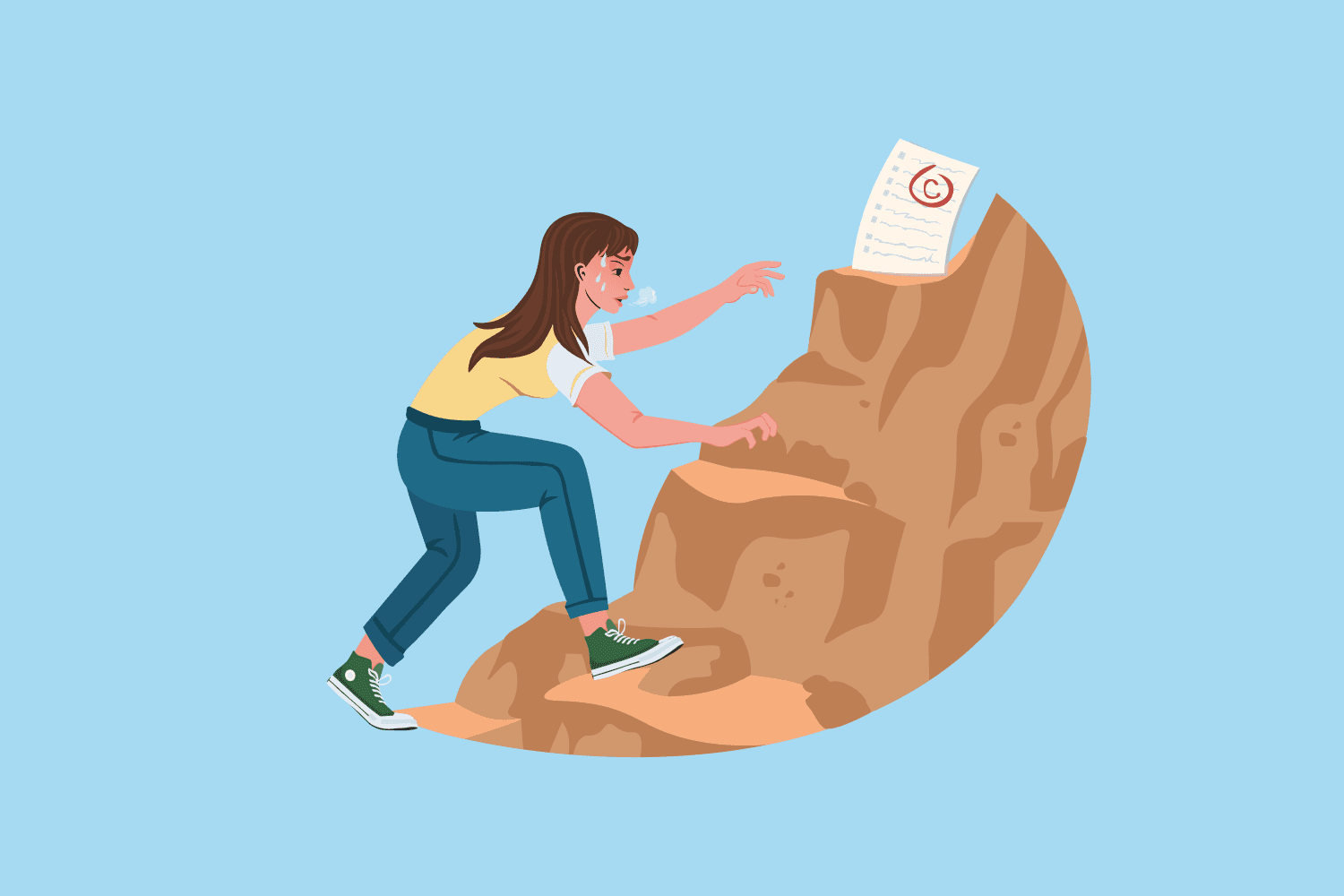
If you’ve ever started learning something — a language, a skill, a subject — and struggled to keep going, discipline is the thing that was either helping you or missing. Understanding what it really means can change how you approach learning entirely.
What Does Discipline Mean in Education?
Discipline in education means the ability to guide your own behavior toward a learning goal. Classroom discipline involves setting clear expectations and school rules to guide student behavior, helping to establish an environment where students can learn effectively. Effective discipline strategies focus on teaching learners the skills they need to make better choices in the future, rather than simply stopping unwanted behavior in the moment. It’s about creating habits and routines that keep you moving forward — even when motivation fades, life gets busy, or progress feels slow.
A disciplined learner doesn’t rely on feeling inspired every single day. They build systems that make learning happen consistently — whether it’s 10 minutes before bed or 20 minutes on the bus. The magic isn’t in the intensity. It’s in the repetition. Discipline also involves understanding consequences and creating a positive learning environment. Establishing clear expectations and rules at the start of the school term helps students follow rules, learn effectively, and develop beneficial behavior in the classroom.
The Two Types of Discipline in Education
When educators talk about discipline, they usually mean one of two things.
- Self-discipline is the internal kind. It’s the ability to manage your own time, resist distractions, and stay committed to your goals. In language learning, this looks like showing up to practice even when you’d rather scroll your phone. It looks like reviewing vocabulary you already know because you understand that repetition matters. According to BetterUp’s research on self-discipline, when people learn to be more disciplined, it positively impacts their attitude, assertiveness, and ability to follow through on tasks. The best discipline is internal, focusing on self-regulation and guiding student conduct, rather than relying solely on external control.
- Instructional discipline refers to the structure that teachers, courses, or learning platforms create for you. This includes clear goals, pacing, feedback, and progression systems. Effective instructional discipline also involves explicitly teaching skills that help students manage their own behavior. It’s the external scaffolding that helps learners build the internal kind.
The best learning experiences combine both. You get a structure to follow, and over time that structure becomes something you carry inside yourself.
Why Discipline Matters More Than Motivation
Here’s something that surprises a lot of learners: motivation is unreliable. It spikes when you download a new app, start a new course, or set a big goal. Then, about two weeks later, it drops.
This isn’t a personal failure. It’s just how human psychology works. Motivation responds to novelty. Discipline responds to commitment.
Research on habit formation shows that consistent, small actions build stronger neural pathways than occasional intense efforts. In plain language: doing something for 10 minutes every day beats doing it for two hours once a week. Disciplined learners often achieve higher results because they develop stronger study habits, manage their time effectively, and stay focused on long-term goals. Disciplined students often achieve higher grades because discipline supports better academic performance by helping students learn more effectively.
This is especially true for language learning. Your brain needs repeated exposure to new words, sounds, and structures. One long session doesn’t replace daily contact with the language. Discipline — showing up regularly — is what builds fluency over time. If you want to go deeper on motivation in language learning and what actually keeps it alive, we’ve covered that in detail on the Promova blog.
What Discipline in Education Is NOT
It’s worth clearing up some common misunderstandings, because they can get in the way of real progress.
- Discipline is not punishment. This is the biggest misconception. In older models of education, discipline meant consequence — detentions, failing grades, shame. Traditional school discipline often relied on punitive measures such as corporal punishment, rooted in Puritan beliefs and once accepted by the legal system to maintain order. Modern education research has largely moved away from this. Research indicates that punitive approaches may temporarily suppress unwanted behavior but often fail to teach learners the skills they need for long-term growth. Discipline today means creating conditions where learning can happen, not creating fear.
- Discipline is not rigidity. You don’t need to follow a perfect schedule every day to be disciplined. Missing a day doesn’t mean you’ve failed. Discipline is about what you do consistently over weeks and months, not whether you hit every single target.
- Discipline is not the same as willpower. Willpower is a limited resource. It runs out. Discipline, on the other hand, is about removing the need for willpower in the first place. When learning becomes a habit — something you do automatically, like brushing your teeth — it no longer requires effort to start.
- Discipline is not suffering. Some people believe that if learning feels enjoyable, it must not be serious. That’s not true. Enjoying the process makes you more likely to stick with it. Engagement and discipline go together, not against each other.
How Discipline Supports Language Learning Specifically
Learning a language is one of the best examples of why discipline matters in education. It’s a long-term process. You can’t rush it. You can’t cram it the night before. The only path to fluency is consistent, repeated exposure over time.
Here’s what disciplined language learning actually looks like in practice:
- Short, daily sessions beat long, sporadic ones. Even 15 minutes a day adds up to nearly two hours per week. Over a month, that’s eight hours of practice. A year of that? You’ll notice a real difference.
- Consistent review helps your brain hold on to what it learns. Spacing your practice — coming back to vocabulary and grammar regularly, not just once — is one of the most proven strategies in language education. Cognitive science calls this the distributed-practice effect, and it works because each brief session reactivates memory traces before they fade. You can learn more about vocabulary retention strategies that use this principle on the Promova blog. Using positive reinforcement, such as verbal praise or small rewards, encourages students to repeat positive behaviors and helps build a positive classroom dynamic, supporting discipline in the learning process.
- Progress tracking gives discipline a direction. When you can see that you’ve learned 200 new words or completed 30 lessons, it becomes easier to keep going. The progress itself becomes motivating. Logical consequences, which are directly related to students' actions, help reinforce discipline in a constructive way by connecting outcomes to behavior.
- Reducing friction makes discipline easier to maintain. The harder it is to start a session, the more willpower it requires. Learning platforms that offer short, focused lessons make it easier to stay consistent because starting is low-effort.
Building Discipline as a Learner: Where to Start
The good news is that discipline isn’t something you either have or don’t have. It’s a skill. You can build it gradually, just like any other.
- Start smaller than you think you should. If you’re trying to build a daily language learning habit, start with five minutes. Not because five minutes is enough, but because it gets you into the habit of showing up. Once the habit is established, expanding it is much easier. Leo Babauta’s guide to self-discipline at Zen Habits makes a similar point: small actions you can’t say no to are how lasting habits actually begin.
- Attach learning to something you already do. This is called habit stacking. Learn vocabulary while having your morning coffee. Practice pronunciation during your commute. Review flashcards before you sleep. Connecting a new behavior to an existing one removes the friction of deciding when to do it.
- Focus on consistency, not perfection. Missing one day doesn’t break a habit. Missing several in a row does. If you skip a session, the goal isn’t to feel bad — it’s to show up tomorrow. Progress over perfection is the mindset that keeps you going.
- Encouraging self-reflection helps students develop self-regulation and take responsibility for their actions, which builds problem-solving skills and improves classroom behavior.
- Build accountability into your routine. This could be a learning streak, a daily reminder, a study partner, or simply tracking your sessions in a notebook. External cues help internal discipline develop. For a deeper look at practical techniques, Brian Tracy’s breakdown of how to develop self-discipline is a useful resource.
1
The Role of Structure in Building Discipline
This is where educational design matters. A well-structured course or platform doesn’t just give you content — it builds discipline into the experience itself. Effective classroom management by school personnel helps establish clear expectations and supports the development of discipline, ensuring a positive and structured learning environment.
Clear progression systems show you what to do next, which removes decision fatigue. Short lesson formats make it easy to fit learning into a busy day. Immediate feedback helps you adjust and improve, which keeps you engaged. Reminders and streaks provide gentle accountability without pressure or shame.
Good educational design understands that learners are busy adults with real lives. The goal isn’t to demand more time — it’s to make the time you do have count. When a platform is built around your schedule rather than an ideal one, discipline becomes easier to maintain because the structure is already working for you. If you want to see what that looks like in practice, our guide on how to learn a new language walks through the habits and tools that actually build fluency.
"I Don't Have Motivation. I Have Discipline." — Oleksandr Usyk
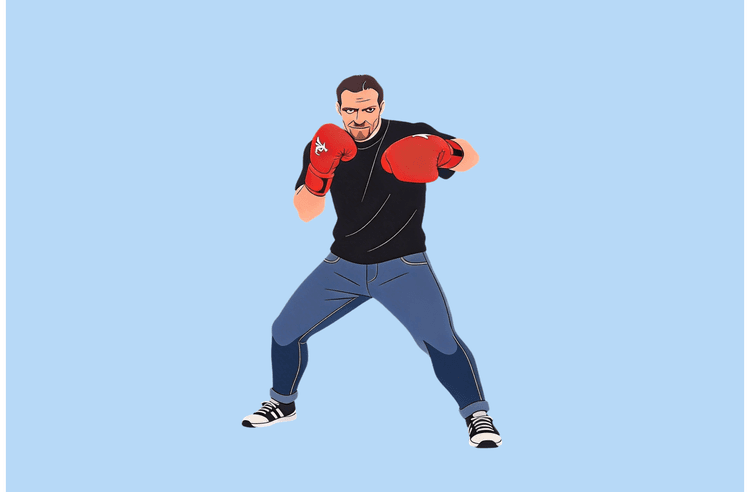
There's a quote that stopped a lot of people mid-scroll. After becoming the undisputed heavyweight champion of the world — for the second time — Usyk was asked how he stays motivated. His answer was simple: "I don't have motivation. I have discipline."
Usyk joined Promova as Chief Discipline Officer — not because he's a professional language teacher, but because his approach to mastering a craft under pressure mirrors exactly what language learners need: consistency over comfort, honest self-assessment, and the willingness to perform before you feel fully prepared.
Most language learners wait. They wait until their grammar is better. Until their accent is cleaner. Until they feel ready. But that moment rarely comes on its own — because comfort and readiness aren't things you get before practice. They're things you earn through it.
Usyk's career is proof of what daily discipline builds. Not talent, not motivation — just the daily decision to show up and do the work, regardless of how you feel. If that philosophy resonates, Learn with Usyk is a full in-app experience built around exactly that mindset — daily learning plans, a focus on consistency, and habits that outlast motivation.
How Promova Puts Discipline into Practice
Understanding discipline is one thing. Building it into your actual learning routine is another. That’s where the right platform makes a real difference.
Promova is a language learning platform built for today’s minds — combining AI-powered tools and human support to make learning languages simple, stress-free, and inclusive. It’s designed around one core truth: consistency beats intensity every time.
Here’s how that plays out in practice. Bite-sized lessons make it easy to start — because a five-minute session has no excuse not to happen. Structured courses from A1 to C1 give you a clear path forward, so you never have to decide what to study next. AI Tutor lets you practice speaking in real conversations, with instant feedback, any time of day — no waiting, no scheduling, no judgment.
The AI role-play feature is a good example. You practice real-life conversations — job interviews, travel situations, small talk — in a safe space where mistakes are just feedback, not failures. Learners can act out real-life scenarios, which helps reinforce discipline through practice and imitation. The more you do it, the more natural it becomes. That’s discipline working exactly the way it should.
Learning with Promova doesn’t ask you to rearrange your life. It asks you to show up — a little, regularly. That’s Usyk’s principle. That’s also the science of habit formation. And it’s the foundation of every learner who eventually looks back and realizes they can actually speak the language. Discipline is also integrated into various school activities on the platform, helping students build habits and self-control in different contexts. Check out Promova’s tips for learning a new language to see how this approach works in practice.
FAQ
What is the meaning of discipline in education?
Discipline in education means guiding your own behavior to support consistent learning. It’s about building habits, managing distractions, and staying committed to your goals over time. It’s not punishment — it’s the foundation of any lasting learning progress. School discipline policies can vary by school district and state law, and discipline is implemented across different educational settings, including on school grounds.
Why is discipline important for students?
Discipline helps learners build consistent habits that lead to real progress. Without it, learning depends on motivation, which fades. Discipline fills the gap — it’s what keeps you going on the days when you don’t feel like it. Positive discipline approaches lead to better academic performance, fewer behavioral issues, and stronger student-teacher relationships, contributing to a positive learning environment.
What is the difference between self-discipline and instructional discipline?
Self-discipline is your internal ability to manage your own learning behavior. Instructional discipline is the external structure a course or platform provides — clear goals, pacing, and feedback. Both work together to support long-term learning success. To discipline students effectively, collaboration among teachers, parents, and school personnel is essential to address behavioral issues and support the child's development.
How do you build discipline as a language learner?
Start with small, daily sessions rather than long, occasional ones. Attach learning to habits you already have. Track your progress. Focus on consistency, not perfection. Over time, the habit becomes automatic and discipline feels natural, not forced. Platforms like Promova are designed to make that consistency easier to maintain. Restorative justice and community service are alternative disciplinary actions that focus on repairing relationships and promoting responsibility.
Is discipline the same as willpower?
No. Willpower is a limited mental resource that runs out under stress or fatigue. Discipline is about creating habits and routines that reduce the need for willpower. When learning becomes automatic — part of your daily routine — it no longer requires constant effort to start.
How do cultural differences affect discipline in education?
Cultural differences in discipline approaches may include varying expectations of behavior, authority, and learning. Educators must recognize and respect these differences to create inclusive learning environments. Effective discipline acknowledges that learners come with different cultural understandings of appropriate behavior — and treating those differences as resources rather than deficits makes for better teaching and better outcomes. Developing cultural competence and involving parents in the discipline process are essential for respecting all students' backgrounds.
How are students with disabilities disciplined in schools?
Students with disabilities are disciplined through a collaborative process involving individualized education programs (IEPs), school personnel, and parents. Disciplinary decisions must ensure the child's legal rights are protected, and accommodations are tailored to address behavioral issues while supporting the student's educational needs.

 English


Comments